

Dear Students,
The ₹370 Biryani Conversation with our Highschoolers
A few weeks ago, the internet was consumed by what came to be known as the "₹370 biryani controversy" — a viral conversation that sparked outrage, discomfort, debate, and reflection across the country. At its heart was a question much larger than comedy, social media, or even the individuals involved.
It was a question about consent. It was a question about respect. It was a question about the stories we laugh at, amplify, and normalise.
When I came across an insightful article on the subject, I felt it was a conversation our students deserved to engage with. We invited the eloquent and the author of the Times newspaper article, Preeti Das to speak with our Grade 11 and 12 students. What unfolded over the next two hours was not a lecture. It was not a sermon. It was something far more valuable.
It was thinking.
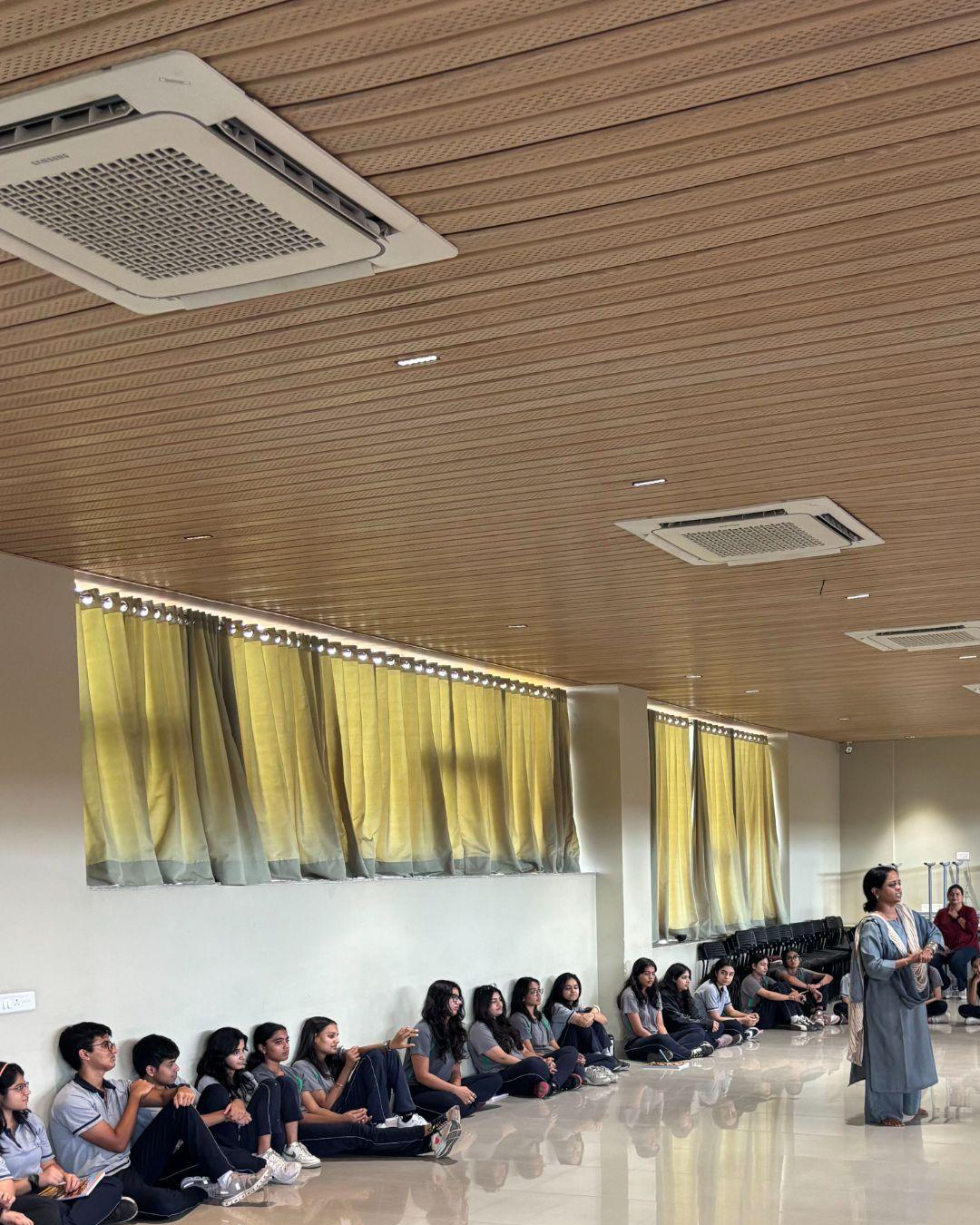
It was all about teaching young people to examine the world around them and ask difficult questions.
To distinguish between popularity and principle.
To understand that humour, language, media, and culture all shape the way we see sexuality.
Most importantly, it is about helping them think deeply before they decide what they stand for.
At GGIS, we have always believed that learning must remain relevant to the world our students inhabit. While textbooks teach concepts, contemporary conversations teach discernment.
The world our children are inheriting is complex. Shielding them from complexity does not prepare them for it.
Engaging with it does.
The joy of the session was not that every student left with the same opinion. The joy was that they left with more questions than they arrived with. They left more aware, more thoughtful, and perhaps a little more conscious of the impact words and actions can have.
And if a school can create spaces where young people learn to think, challenge, reflect, and grow, then it is doing far more than educating.
It is preparing citizens.
That afternoon reminded me that some of the most important lessons do not come from a syllabus. They emerge from conversations that matter.
And that, perhaps, is what makes education truly meaningful.


